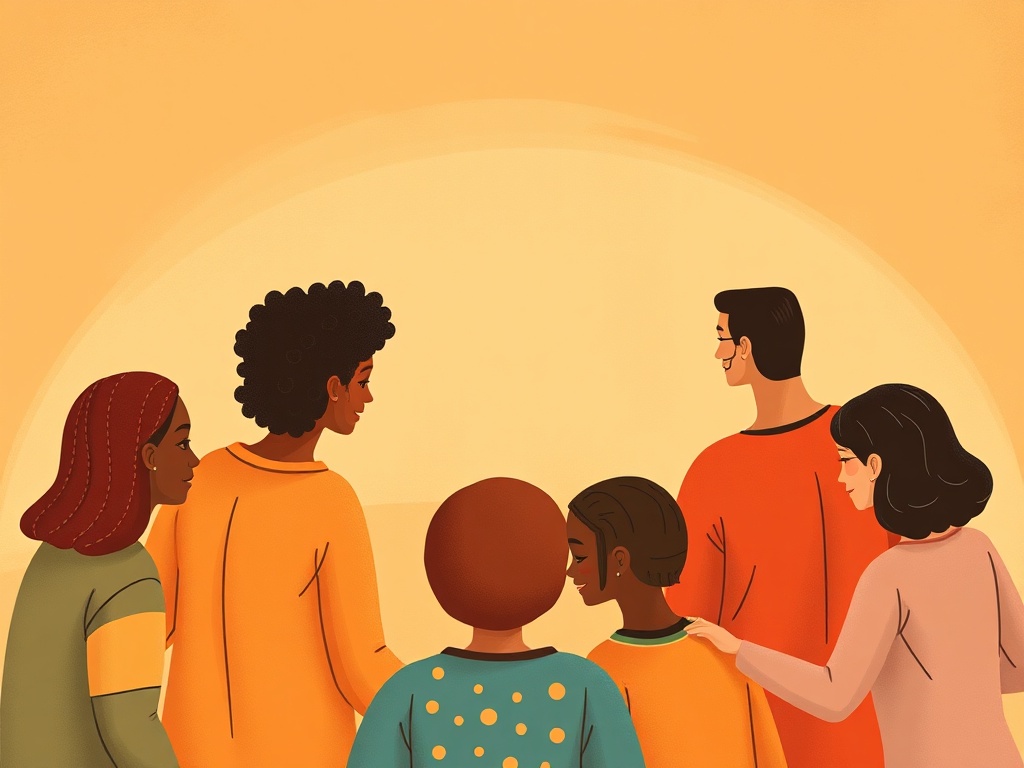
One of trauma's cruelest effects is isolation. Trauma tells us we're alone—that no one could understand, that we're too broken for connection, that safety lies in solitude. We withdraw. We hide. We convince ourselves that isolation is protection.
But isolation amplifies trauma. Without connection, nervous systems stay dysregulated. Without witness, shame festers. Without community, healing plateaus.
The antidote to isolation isn't forced socializing. It's building genuine community—spaces where people feel truly seen, where vulnerability is met with compassion, where belonging is assumed.
Why Isolation Happens After Trauma
Shame and Unworthiness
Trauma teaches: "I'm damaged. Broken. Unworthy." The logic follows: "If people knew the real me, they'd reject me. So I'll hide."
This is rarely conscious. It's a protective mechanism. Revealing ourselves feels dangerous.
Hypervigilance and Distrust
When you've been harmed, people feel threatening. Your nervous system is scanning for threat. Trust feels risky. Intimacy feels dangerous.
You might withdraw not because you're antisocial but because connection triggers threat detection.
Grief and Difference
Trauma changes you. You may grieve the person you were before and struggle to relate to people who haven't experienced what you have. You might feel fundamentally different from others—and you are. That difference can feel isolating.
Depression and Anhedonia
Depression drains interest in connection. Nothing sounds appealing. Reaching out feels impossible. The energy required to socialize feels unavailable.
The Illusion of Safety
Isolation can feel safe. No one can hurt you if you're alone. But that safety is illusory. Isolation creates psychological pain, nervous system dysregulation, and spiritual emptiness.
Real safety comes through connection with people you trust, community that holds you, and the embodied experience of belonging.
The Healing Power of Community
Research consistently shows: connection is one of the most powerful healing factors.
Communities that support healing:
Normalize Struggle
When others openly discuss their own challenges, shame decreases. You realize: "I'm not alone in this." Normalcy is restored. Belonging expands.
Provide Witness and Validation
Being seen and heard by others is deeply healing. It says: "You're not invisible. Your experience matters. You belong here."
Model Resilience
Seeing others who've been through similar trauma and rebuilt their lives offers hope. If they survived, maybe I can too.
Offer Practical Support
Sometimes healing isn't just emotional—it's practical. Communities help with meals, childcare, job leads, housing. Practical support says: "We've got you. You don't have to figure this out alone."
Create Accountability for Growth
Community can gently hold you accountable to your healing. Not in a judgmental way, but in a "I believe in you" way that keeps you moving forward.
Reduce Nervous System Load
Co-regulation is real. Being around regulated people helps regulate your own system. Shared space reduces the burden of staying regulated alone.
Build Meaning
Community creates meaning. Contributing to others, being part of something larger than yourself, participating in collective healing—these are deeply meaningful.
Types of Healing Communities
Peer Support Groups
Groups of people with shared experience supporting each other:
- Trauma survivor groups
- Grief circles
- Addiction recovery communities
- Condition-specific groups (PTSD, complex trauma, etc.)
What makes these powerful: peer expertise. You're learning from people who truly understand because they've lived it.
Spiritual Communities
Faith communities, meditation circles, yoga sanghas—places where spiritual connection and mutual support interweave:
- Faith-based healing groups
- Meditation communities
- Yoga and somatic communities
- Ceremonial or ritual-based communities
These work when they're genuinely welcoming and trauma-informed (not all are).
Therapy Groups
Professionally facilitated groups where healing is the explicit purpose:
- Trauma-focused therapy groups
- Grief counseling groups
- Internal Family Systems (IFS) groups
- Somatic experiencing groups
These combine professional expertise with peer support.
Creative Communities
People healing through creative expression:
- Writing/journaling circles
- Art groups
- Music circles
- Dance or movement communities
Creativity is healing. Sharing creative expression in community deepens that.
Service-Based Communities
Communities formed around service to others:
- Volunteer organizations
- Advocacy groups
- Mutual aid networks
- Community organizing
Meaning comes through contributing. Isolation is difficult when you're focused on helping others.
How to Find Your Community
Start With What Calls You
Don't force yourself into communities that don't fit. What genuinely interests you?
- What did you love before trauma?
- What brings you alive now?
- What do you want to contribute?
- Whose company feels good?
Start there. Community works when it aligns with who you are.
Seek Trauma-Informed Spaces
Not all communities understand trauma. Look for ones that:
- Normalize struggle without pathologizing
- Respect boundaries
- Allow pacing and choice
- Welcome vulnerability
- Practice compassion
- Address conflict directly and respectfully
If a community triggers rather than heals, it's not the right one. Keep looking.
Start Small
You don't need large community. One trusted person, a small group, a weekly gathering—that's enough.
Start with what feels manageable. Show up consistently. Let relationships deepen gradually.
Be Honest About Your Capacity
Community requires some energy. If you're depleted, that's okay. You might:
- Attend less frequently
- Participate less actively
- Ask for help from the community
- Temporarily step back
Honest communication helps communities hold you.
Contribute
Community isn't just about receiving. It's about mutual care.
How can you contribute?
- Listen to others
- Offer a skill you have
- Bring snacks
- Help organize
- Share your story when ready
- Offer encouragement
Mutual aid is healing for everyone.
Building Community When It Doesn't Exist
If you can't find what you need, create it.
Start Simple
A weekly coffee with one friend. A monthly gathering in your home. A walking group. A virtual circle.
Start small. Consistency matters more than size.
Clarify Your Purpose
What will bring people together?
- Shared experience (trauma, loss, mental health)
- Shared practice (meditation, yoga, creative expression)
- Shared values (justice, healing, spirituality)
- Shared need (support, connection, growth)
Clear purpose helps people know if they belong.
Set Healthy Norms
Every community needs norms (written or unwritten):
- Confidentiality
- No cross-talk
- Accepting people as they are
- Directness and honesty
- Respect for boundaries
- Willingness to address conflict
State these early. They protect the community.
Invite Intentionally
Don't wait for a big group. Invite people you trust:
- Others who've experienced similar trauma
- People genuinely committed to healing
- Those who show up consistently
- People who contribute, not just consume
Quality over quantity.
Hold It Lightly
Communities evolve. People come and go. Leadership shifts. Purpose may change.
Hold the structure lightly. Let it adapt.
Challenges in Community
People Let You Down
Communities are made of humans, who are imperfect. Someone will disappoint you. A conflict will arise.
This is normal. Address it directly. Talk about it. Sometimes conflict deepens community.
Unprocessed Trauma Emerges
When traumatized people gather, trauma sometimes emerges (triggered states, conflict). This is okay.
Communities strong enough to metabolize this become more resilient.
Power Dynamics
Some people will dominate. Others will disappear. Be aware. Name it. Rotate roles. Share power.
Maintaining Your Own Healing
Community isn't a replacement for individual healing work. It's a container within which healing happens.
You still need:
- Your own therapeutic work
- Regular self-care practices
- Solitude and space
- Skill-building and learning
- Professional support when needed
Community plus individual work is the most powerful combination.
The Deeper Truth About Belonging
Ending isolation isn't about having lots of friends or attending many gatherings. It's about belonging—the deep knowing that you're part of something, that you matter, that your presence changes the fabric of the community.
Belonging is what heals. Not validation from social media. Not status or popularity. Belonging in the sense of: "These are my people. We see each other. We're in this together."
Building that kind of community is sacred work. It's how we move from isolation toward wholeness. It's how we remember we're not alone.
And in that remembering, we heal.